STEAM Newsletter – Exploring the World and Your Genes!
April 27, 2023
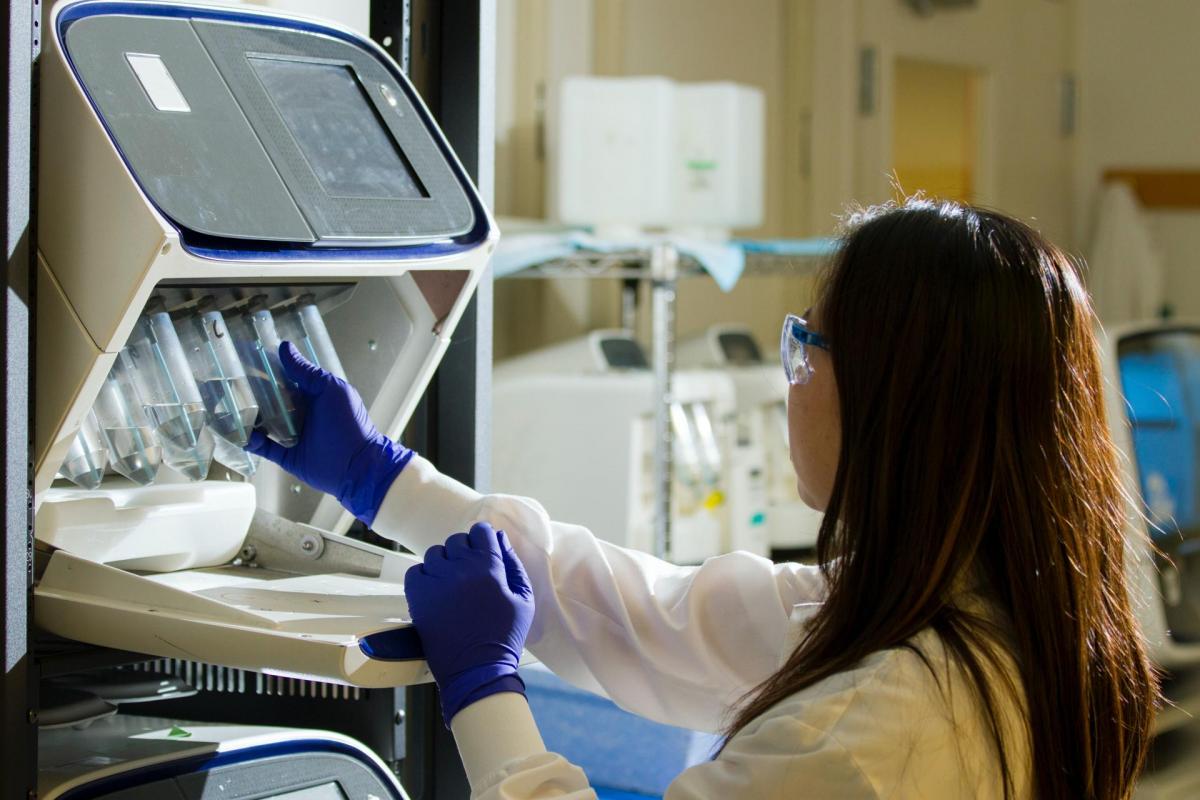
April 25th was National DNA Day! Every year since 2003, scientists, biologists, and genetics enthusiasts come together to observe National DNA Day, celebrating the discovery and research into DNA and the scientific advancements that helped make progress possible. National DNA Day encourages people to learn more about the science that makes them genetically unique. Help youth feel unique and special with the following resources to use all month long!
We are also excited to be entering Year 3 of being part of the Million Girls Moonshot initiative! MGM is a national initiative seeking to promote an “Engineering Mindset” to prepare future generations to solve the kinds of problems we have not yet predicted. In order to achieve this outcome for all, the MGM Initiative focuses on HOW we STEAM. Promoting an Equity and Inclusion Framework that ensures STEAM Learning opportunities are “designed at the margins” to ensure that STEAM learning is accessible and impactful to all.
We want to highlight our CAN STEAM Hub partners for our Year 3 Million Girls Moonshot Community of Practice (CoP):
- Alameda County (Region 4)
- Fresno County (Region 7)
- Orange County (Region 9)
- Sacramento County (Region 3)
- San Diego County (Region 9)
Local STEAM hubs engage local programs to apply the Engineering Mindset Framework and the Equity Framework into existing STEAM learning, or new STEAM programming (that can be implemented using the free curricular and PD resource of the MGM). The CoP seeks to understand who the programming is impacting, what’s working, and what challenges are surfacing. These lessons are shared in a statewide Community of Practice and documented through two assessment/evaluation cycles.
To learn more about MGM and their transformative practices, you can visit their website.
In This Newsletter:


Building Background Knowledge in Science Improves Reading Comprehension
A new study led James Kim at the Harvard Graduate School of Education finds promising results from a literacy program in elementary schools. Kim’s study tested out content literacy intervention in elementary schools by building up background knowledge in science and social studies. The study found that providing frameworks assisted kids in developing a schema which he describes as “a mental framework that helps [students] organize, acquire, and apply knowledge.”

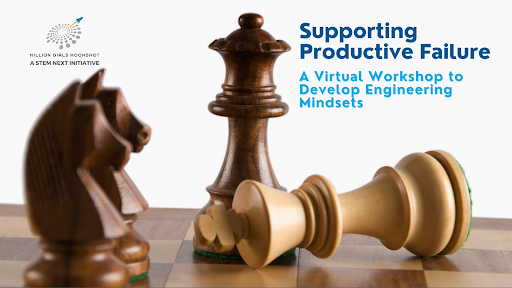
Click2CS Virtual Workshop: Supporting Productive Failure
Wednesday, April 26, 2023; 12:00 PM - 1:00 PM PST
Knowing how to help youth see how failure can be productive is critical for developing an engineering mindset.
Join Click2CS’s virtual workshop to learn how you can create learning experiences that support youth and help them persist through their frustration and learn from failures. By engaging in authentic engineering work, youth develop engineering identities and the mindset to solve problems and change the world.
ACRES Training Cohort: Asking Purposeful Questions
Wednesdays: 05/03/2023, 05/17/2023, 05/31/2023 9:00 AM - 11:00 AM PST
Questions begin a path toward discovery, imagination, and STEM exploration. How can we help youth expand and clarify their thinking and develop their reasoning through the questions we ask them? This module is a great way to train staff on how to facilitate STEM learning. Experienced educators also love being part of a cohort as a way to connect with other educators across the country, to learn new lesson plans, and to reflect on practice. This is our introductory module and a prerequisite to other opportunities.
*The expectation is that you will be live at all three sessions and an active member of this coaching cohort. Recordings are not available if you are unable to attend.
REGISTER HERE Code: AC288PQ
Afterschool Math Plus Curriculum Training
Thursdays: May 16, June 20, July 18, August 15, September 19, October 17, and November 28, 2023 10:00-11:00 AM PST
Join Million Girls Moonshot for their upcoming Afterschool Math Plus Curriculum Training webinar series! Explore 8 different sessions that explore strategies to support a positive Math identity:
ACRES Training Cohort: Facilitating Science Practices
Wednesdays: 05/31/2023, 06/14/2023, 06/28/2023 12:30-2:30 PM PST
How can we make sure that our ‘hands on’ science experiences for youth are also ‘minds on?’ In this module, participants learn how to support youth as they engage in science practices to learn science ideas, including planning and conducting investigations around testable questions. They’ll talk about the similarities and differences between questioning in science versus questioning in engineering contexts.
REGISTER HERE Code: AC225SP

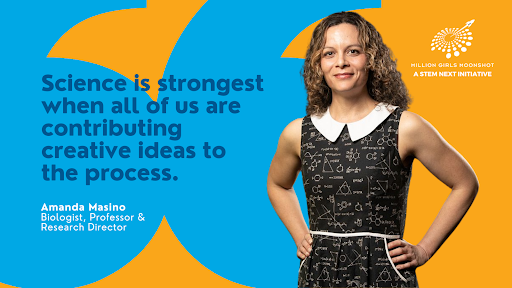

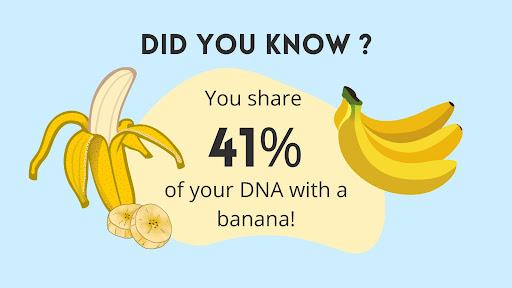
Celebrate DNA Day!
April 25, 2023
Celebrate DNA Day! Explore these resources:
- As a part of Illumina’s The Future is Bright Campaign celebrating DNA Day, Million Girls Moonshot is partnering to provide a number of resources for programs to celebrate DNA day! Featured opportunities include a Virtual Lab Simulation; a Virtual Field trip; and DNA Decoded, ready to go, lessons and activities for educators!
- Resource Library: 23 and Me Educator Resources – Find a list of picture books on DNA and more information about the 23andMe Education Program, which is designed to support and advanced genetics education. By joining the community, educators and students will receive important updates from the 23andMe Education team about new educational resources, events, programs, and opportunities to engage with 23andMe.

Activities for Programs
Looking for a sequence of activities you can implement in your afterschool program today? MGM has complied activities in sequence to support youth in building an engineering mindset.
- Activity: Make a Candy DNA Model – Each human has a unique DNA sequence and the DNA in all of us is about 99.9% identical! In this activity, youth use pieces of candy to make a model for a short section of DNA—enough to get a sense of what DNA is like and how it encodes life.
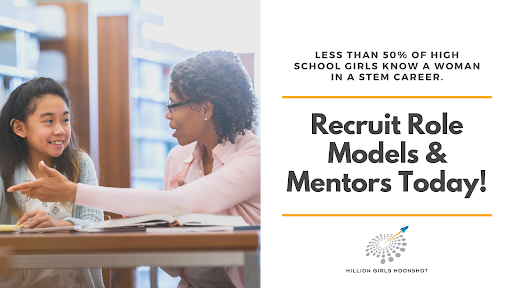
Mentors Matter!
Recruit STEM Experts as Volunteers
Less than 50% of high school girls know a woman in a STEM career. Let’s change that – recruit STEM professionals to support the youth you serve today!
The Moonshot helps to connect STEM experts with OST programs! Share your program’s volunteer opportunities for STEM experts to work with your youth today! Register here to find role models and mentors in STEM.


Check Out CAN’s Other Newsletters!
Access the CAN newsletter archives to view past newsletters today! You may be interested in some of our other newsletters as well: